 Solitaire Rings
 Halo Rings
 Bezel Rings
 Three Stone Rings
 Five Stone Rings
 Bridal Set Rings
 Solitaire Accent Rings
 Toi Moi Rings
 Curved Rings
 Semi Mount Rings
 Custom Rings
 Color Diamond Rings
 Lab Gemstone Rings
 Men's Rings
 Round
Round
 Pear
Pear
 Oval
Oval
 Princess
 Asscher
 Marquise
 Emerald
 Cushion
 Radiant
 Heart
Heart
 Old Cuts
 Tennis Bracelet
 Fashion Bracelet
 Pendant
 Necklace
 Eternity Bands
 Dainty Bands
 Custom Bands
 Men’s Bands
 Studs
Studs
 Hoops
Hoops
 Jackets
 Dangle
 Bridal
 Pink
Pink
 Champagne
 Yellow
 Blue
Blue
 Black
Black
 Green
Green
 Olive
Olive
 Emerald
 Ruby
Ruby
 Sapphire
 Other Gemstone
 Old Cut Jewelry
 Antique Diamond Jewelry
 Kids Collection
 Celebrity Jewelry
 Round
Round
 Princess
 Asscher
 Cushion
 Radiant
 Emerald
 Heart
Heart
 Pear
Pear
 Oval
Oval
 Marquise
 Old Cut
 Rose Cut
 Pie Cut
 Step Cut
 Portuguese Cut
 Portrait Cut
 Antique Cut
 Matching Pair
 Champagne
 Pink
Pink
 Yellow
 Blue
Blue
 Other
Other
 Emerald
 Ruby
Ruby
 Sapphire
 IGI-GIA Certified
 8X Diamond
 Ready Stocks
 OEC Round
 Ready In Stock
 Old Mine Cushion
 Old Mine Asscher
 Old Mine Emerald
 Old Mine Moval
 Old Mine Pear
 Bands
Bands
 Earrings
 Bracelets
 Necklace
 Anniversary Gift
 Birthday Gift
 Gift For Her
 Gift For Him
 Under 300$
 Under 500$
 Gift Card
 Check Balance
 REVIEW
 +1 (551) 274-2892
 contact@ourosjewels.com
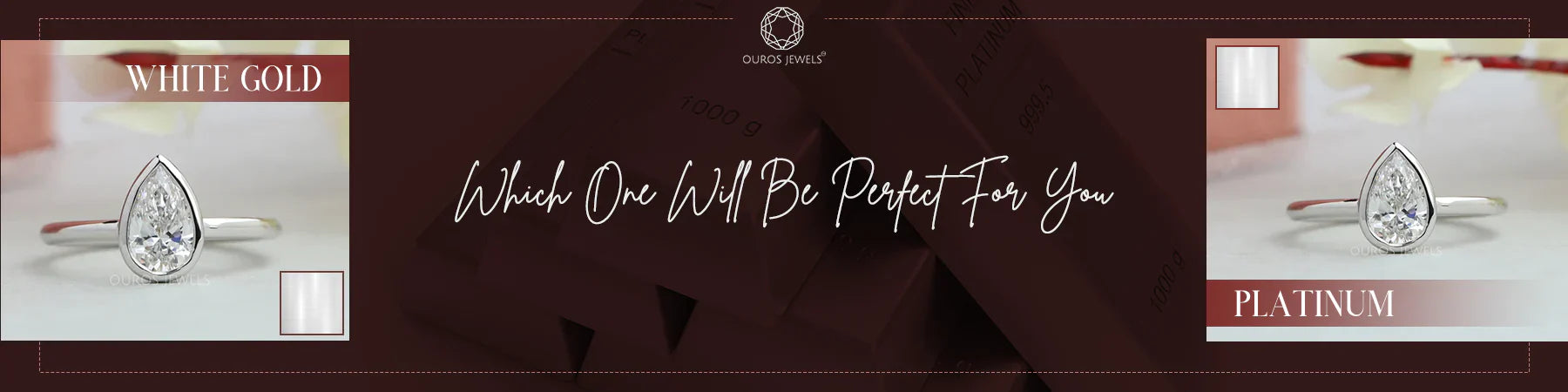
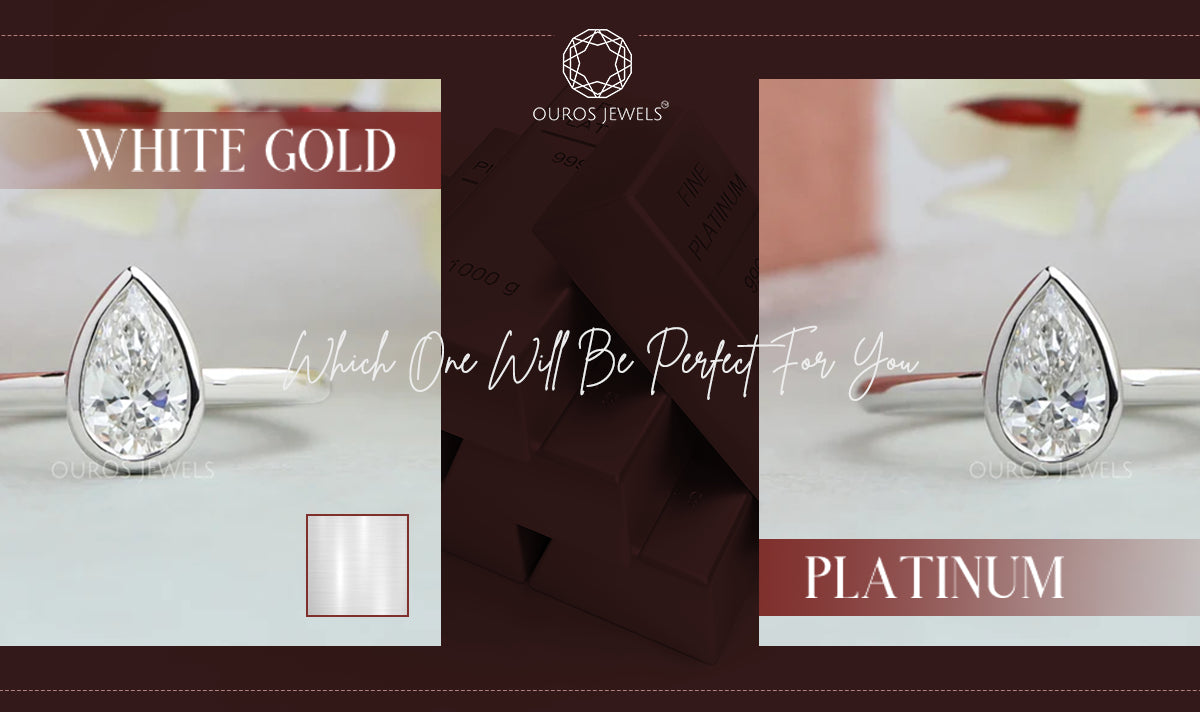
White Gold Vs Platinum: Which One Will Be Perfect For You

While there are many options for your jewelry choices, white gold and platinum are two common metals used for wedding bands and engagement rings. They can appear very similar at first because they are both white metals that will pair well with any diamond. But they can be distinguished from each other in their construction, wear, weight and upkeep.
Therefore, when choosing between white gold vs platinum, there isn't a definitive answer that applies to all people. Your budget, style, lifestyle and maintenance requirements can all influence which metal is best suited for you.
What Is White Gold?
White gold is an alloy of pure gold combined with another metal like nickel, palladium, or silver. White gold is frequently employed in jewelry including engagement rings, wedding bands, earrings, and necklaces.
The vast majority of white gold jewelry is plated with a rhodium finish that creates a shiny, white appearance and enhances surface durability. The neutral color pairs beautifully with diamonds and many colored gems.
White gold is available in 10K, 14K, 18K, and 22K. The karat shows the amount of pure gold in the alloy, with higher karat options containing more gold.
What Is Platinum Metal?
Platinum is a rare precious metal known for its durability, natural white color, and bright finish. It is widely used in jewelry, including engagement rings and wedding bands.
Most platinum jewelry is made with about 95% platinum and 5% other metals. A “950 Platinum” hallmark indicates that the piece contains 95% pure platinum.
Platinum is naturally dense and durable, making it suitable for long-term wear. It is also naturally hypoallergenic, which makes it a practical choice for people with sensitive skin.
White Gold vs Platinum: Color and Appearance
They both can make a diamond look white and bright, but they do it differently.
Platinum, being a naturally white metal, would not need a rhodium coating to bring out its whiteness. As it is worn it can pick up a softer patina, which affects the finish of the jewelry item, but not its basic hue.
White gold has a warmer tone underneath the rhodium plating. As the rhodium layer gradually wears off you will start to notice some of that warmer color peaking through. Replating is needed to restore the original bright white color.
If you're after a bright white finish and don't mind the occasional upkeep, white gold might be a good choice. If you'd like a more natural looking colour in your metal, and are happy to go without rhodium plating, platinum might be the way to go.
White Gold vs Platinum: Durability and Everyday Wear
Both can be used for everyday jewelry, but they handle daily wear differently.
Platinum is very dense and extremely wear resistant. Platinum does not typically wear off as quickly on most ordinary items and instead, leaves scuffs and light scratches on the surface. It's wear resistant qualities make it popular for wear like engagement rings and wedding bands.
White Gold White gold can also be a hardy metal for rings. Because of its hardness and strength, it is an excellent choice for daily jewelry, although the surface and rhodium plating can develop scratches or wear. Fine details, settings, and prongwork can become worn from daily use, so rings that are worn often should be checked from time to time.
Ultimately your decision may come down to how you want it to age. Some people love a high polish, while many prefer the mellowing effects of continual wear.
White Gold vs Platinum: Maintenance and Care
If you have white gold, you will have to have the rhodium replated when the outer layer is worn away. The wear and tear depends on how often you wear the ring and how well you maintain your jewelry. Every day white gold rings can be rhodium plated more often than every now and then rings.
Platinum is not a metal that has to be rhodium plated in order to keep its white appearance. It can be polished when you need to revitalize it, especially if you'd rather have it shine than not.
Good jewelry etiquette still applies to either metal. No matter which metal you get, no glitter jewelry should come into contact with strong chemicals, should be stored properly, and your regularly-worn rings should be inspected.
Also read: First-Time Engagement Ring Buyer Guide
White Gold vs Platinum: Price
Cost is a remaining significant factor of the comparison.
People tend to purchase white gold when they want to see a white hue but don't want to invest that upfront. Platinum tends to be a more expensive material on which jewelry is made because of its high platinum percentage and amount of material on that specific piece.
It's not just the price that is important. White gold, for example, can need replating with rhodium every few years, while platinum may need polishing in order to restore its color. By comparing the initial cost with estimated future costs you can gain a clearer picture.
The final cost will also vary depending on the design, the type of metal, the amount of metal, and diamond or gemstone.
Difference Between White Gold and Platinum |
||
| White Gold | Factors | Platiunum |
| Yellow Gold and Alloy Of Other Metals | Composition | Natural |
| Ideal | Durability | Super Ideal |
| Available As Required | Hardness | Slighlty Differ |
| Varies On Karats | Purity | 95% |
| White Shining Silver | Color | Darker Grey |
| Such A Beautiful Substance | Appearance | Luxurious Showing |
| No | Hypoallergenic | Yes |
| Not Much | Density/Weight | Heavier In Weight |
| Cheaper Than Platinum | Cost | More Than White Gold |
| Very Good To Good Quality | Gemstone Suitability | Premium Quality Gemstones |
| Ductile Easily | Malleability | Not Bend Easily |
| Option Available | Re-sizing and Repair | No Choices Exists |
| The Clear and Gorgeous Apparance | Personal Preference | For Unique Look |
| Yes It's Preserves | Sustainability | Sometimes It May Be Not |
| Used | Recycled Resources | Upon Request It's Made. |
White Gold vs. Platinum: Hypoallergenic Properties
Platinum is generally considered a hypoallergenic metal because it is usually made with a high percentage of platinum and does not commonly contain nickel. This can make it a suitable choice for people who are sensitive to certain jewelry metals.
White gold can contain different alloy metals, including nickel, which may cause skin irritation or an allergic reaction in some people. However, not all white gold contains nickel, so it is important to check the alloy composition before choosing a piece.
If skin sensitivity is a concern, look at the metal's composition and ask the jeweler which alloys are used. This can help you choose between white gold and platinum based on your individual needs.
White Gold vs Platinum for Engagement Rings and Wedding Bands
They are both heavily used as the materials for engagement rings and wedding bands so the choice generally boils down to which qualities are more important for you.
Advantages of white gold White gold provides you with a shiny white look, a lighter weight, and a number of karat options. It can also complement intricate design elements in the ring. The finished product is finished with a rhodium coating that is bright, but may need to be reapplied periodically.
Platinum is also naturally white and is heavier in weight. Since it is so resistant to wearing down, platinum is a good choice for a ring that you will be wearing on your finger most every day for years. Platinum is also a popular choice of those who want a metal that has hypoallergenic properties.
To wear the wedding band alongside an engagement ring, you will need to consider how the two rings will sit together. You may want to pay closer attention to the design and fit of the bands and how they wear together.
Also read: How to Choose the Right Jewelry for Your Skin Tone
White Gold or Platinum: Which One Feels Better to Wear?
White gold usually feels lighter on the finger, while platinum feels heavier and more substantial. If you prefer lightweight jewelry for everyday wear, white gold may feel more comfortable. Platinum can be a better choice if you like the solid feel of a heavier ring.
The difference is easier to notice in engagement rings and wedding bands that stay on your finger throughout the day. Your preference may also depend on the ring's design and thickness, so both metals can feel comfortable when the fit is right.
How to Choose Between White Gold and Platinum
Choosing between white gold and platinum depends on the qualities that matter most to you. Consider factors such as appearance, durability, maintenance, price, and alloy composition when making your decision.
White gold is typically rhodium-plated to achieve a bright, reflective white finish, while platinum has a naturally white appearance. White gold may require periodic rhodium replating to maintain its bright finish, whereas platinum does not require plating.
Your choice may also depend on how you plan to wear the jewelry and how much maintenance you are comfortable with. Comparing these factors can help you choose the metal that best suits your preferences and lifestyle.
Here is our collection of exquisite jewelry crafted in platinum and white gold.
Frequently Asked Questions
1. Is platinum better than white gold?
Neither metal is necessarily the right choice for everyone. Platinum naturally has a white color, is more dense, and has a different attitude about wear and maintenance. White gold is lighter, and can appear similar to a white metal, with initial plating of rhodium that will need to be maintained.
2. Is platinum more durable than white gold?
Both are durable for everyday jewelry. Platinum is denser, while white gold is hard and holds up well with regular wear.
3. Does white gold turn yellow?
White gold can show a warmer tone as its rhodium coating wears down. Replating can bring back its bright white finish.
4. Does platinum need replating?
No. Platinum is naturally white and does not need rhodium replating. Its surface may develop a soft patina over time.
5. Which is better for sensitive skin, white gold or platinum?
Platinum is often a good choice for sensitive skin. Some white gold contains nickel, so check the alloy if you have a nickel allergy.
6. Which costs more, platinum or white gold?
Platinum usually costs more because it has a higher platinum content and is denser. White gold generally has a lower upfront cost.